

Sauna vs Hot Tub: Which Is Better for Your Home?
If you are comparing a sauna vs hot tub, the better choice depends on the experience you want at home. A sauna generally suits people who prefer high-temperature air or infrared heat, noticeable sweating, quiet sessions, and less water-related maintenance.
A hot tub generally suits people who value warm-water immersion, buoyancy, massage jets, and social time outdoors. Your goals, space, budget, climate, maintenance tolerance, and health needs should guide the decision.
Sauna vs Hot Tub at a Glance
| Comparison point | Sauna | Hot tub |
| Heat method | Traditional models heat air and surfaces with a heater and stones. Infrared models use radiant energy to heat the body more directly. | An electric heater warms water that surrounds the body. Jets add moving water and massage. |
| Typical temperature and humidity | Traditional saunas often run around 150°F–195°F (65°C–90°C). Infrared cabins often run at lower temperatures, commonly about 120°F–150°F (49°C–66°C). Humidity is often low between water pours and rises when water is added to heated stones. | Hot tub water should not exceed the CDC’s 104°F (40°C) limit; many users choose lower settings. Because the body is immersed in water, room-humidity comparisons are not directly applicable. |
| Warm-up and energy pattern | Usually heated before a session. Energy use is concentrated around warm-up and use, although some units have standby features. | Often kept warm and ready. Energy use depends on insulation, weather, water temperature, cover fit, heater controls, and how often the tub is used. |
| Comfort and recovery | Dry heat, sweating, upright seating, and a quiet setting. | Warm-water immersion, buoyancy, hydrostatic pressure, and targeted jets. |
| Capacity and social use | Can be used alone or socially depending on cabin size; the experience is often quieter than a jetted hot tub. | Commonly supports social use, subject to capacity, supervision, and safe-use rules. |
| Indoor and outdoor suitability | Indoor cabins are common. Outdoor saunas need weather protection, ventilation, and a suitable base. | Outdoor placement is common. Indoor models need strong moisture control, drainage planning, ventilation, and structural support. |
| Space and installation | A compact cabin may fit indoors, but the heater, ventilation, clearances, and electrical work still matter. | The filled unit is very heavy and needs a level, load-bearing surface that meets the manufacturer’s requirements, plus safe access, suitable electrical service, and delivery clearance. |
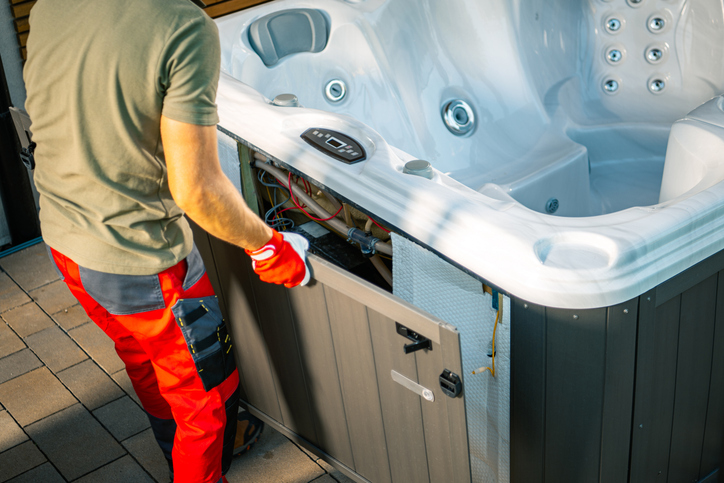
| Water and routine maintenance | No standing water or water chemistry. Surfaces still need cleaning, drying, and ventilation. | Requires water testing, sanitizer, pH control, filtration, draining, refilling, shell cleaning, and cover care. |
| Upfront and ongoing costs | A simple infrared unit can cost less than a custom room. Traditional or outdoor builds may need more electrical, carpentry, and site work. | The purchase price can be moderate to high. Delivery, site preparation, wiring, permits, water care, servicing, and energy add to ownership cost. |
| Accessibility | High benches, narrow doors, hot surfaces, and heat tolerance can affect access. | Steps, wet surfaces, cover weight, seating depth, and the ability to enter and exit safely matter. |
| Main safety considerations | Heat strain, dehydration, dizziness, burns, and poor ventilation are key concerns. | Heat strain, drowning risk, slippery surfaces, waterborne germs, electrical hazards, and inadequate supervision are key concerns. |
| Best suited for | People who prefer traditional or infrared heat, sweating, quieter sessions, and no standing-water chemistry. | People who want soaking, buoyancy, jets, outdoor enjoyment, and a social relaxation space. |
How Do Saunas and Hot Tubs Work?
How a Sauna Produces Heat
A traditional sauna uses an electric or wood-burning heater to warm the room, benches, stones, and surrounding surfaces. The North American Sauna Society describes traditional sauna temperatures at about 150°F–195°F and notes that humidity can rise for a short time when water is sprinkled on heated stones.
The air is usually dry compared with a steam room. A short pour of water may change how the heat feels, but it does not turn a traditional sauna into a steam bath. The user sits on a bench and allows the heated air to warm the skin and body over a session.
An infrared sauna works in a different way. Its emitters use radiant energy to heat the body more directly instead of first heating all the air. Mayo Clinic notes that infrared saunas generally produce similar responses, such as sweating and an increased heart rate, at lower air temperatures than regular saunas.
Both types need preheating, although the time varies by cabin size, heater output, insulation, and starting temperature. An infrared cabin may be ready sooner than a large traditional sauna, but the manufacturer’s instructions should control setup and use.
How a Hot Tub Produces Heat and Hydrotherapy
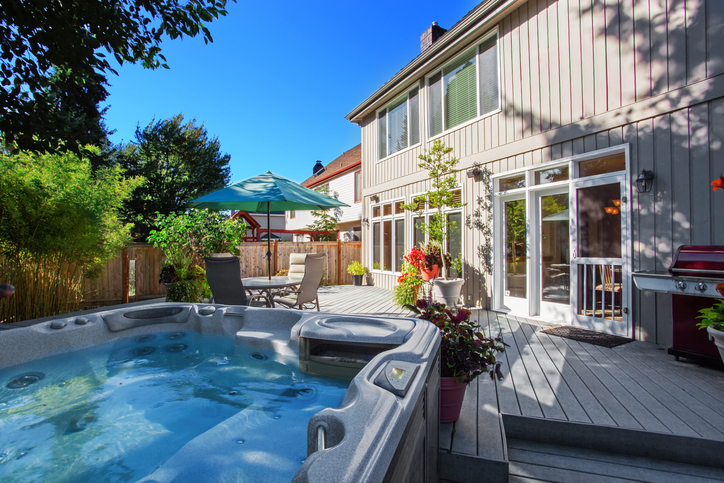
A hot tub uses a heater, circulation system, filter, and controls to warm the water, while jets direct moving water toward selected areas of the body. At the same time, the water supports much of the user’s weight, creating a sense of buoyancy.
This buoyancy can help reduce the load felt by the joints during a soak. In addition, hydrostatic pressure surrounds the body, while moving water can provide a targeted massage sensation. Together, these features give hot tubs a noticeably different experience from saunas, even though both provide warmth and relaxation.
However, water transfers heat differently from air. A hot tub may feel gentler than a very hot sauna for some users, but full-body immersion can still create substantial heat strain. Therefore, the lower temperature compared with a sauna does not necessarily mean that a long soak is risk-free.
Sauna vs Hot Tub Benefits
Both options may support relaxation and temporary comfort, but neither replaces rest, rehabilitation, exercise, or professional care.
Benefits They May Share
Both heat experiences may help some people relax and may temporarily ease perceived muscle tension. Responses vary, and neither should be presented as a treatment for pain, illness, stress, or sleep problems.
Where a Sauna Stands Out
A sauna creates an intense dry-heat or infrared experience without the need to sit in water. For people who enjoy noticeable sweating and a quiet setting, the simple routine of entering a warm cabin, sitting on a bench, cooling down, and leaving may be especially appealing.
In addition, a sauna eliminates the need for hot tub chemicals, water testing, and standing water. Many home units are heated only for each session rather than maintained at a warm, ready-to-use temperature throughout the day. However, actual energy use still depends on the model, temperature settings, and frequency of use.
During a sauna session, sweating and heart rate may increase as the body responds to the heat. While sauna use has been associated with certain long-term health benefits in research, these findings should not be viewed as guaranteed results for every home user.
Where a Hot Tub Stands Out
A hot tub provides warm-water comfort, buoyancy, and massage jets in one setting. The water supports much of the body’s weight, which can make a soak feel comfortable for people who do not enjoy sitting in intense dry heat.
Jets can direct moving water toward the back, shoulders, legs, or feet, depending on the seat and control layout. The experience may suit couples or groups of appropriate-age users who want an outdoor social space, subject to capacity limits and close supervision where relevant.
An outdoor hot tub also creates a year-round feature for cooler weather. However, water care and safe access are part of the ownership routine. The same warm water that feels relaxing can spread germs if sanitizer and pH are not managed correctly.
Sauna vs Hot Tub Costs
Sauna and hot tub costs vary widely. Current 2026 U.S. planning estimates place many home sauna projects around $2,500–$7,000, while hot tub prices range from lower-cost inflatable units to five-figure luxury or in-ground installations. Treat these as planning estimates rather than quotes because model, climate, labor, access, site preparation, and installation scope can substantially change the total.
| Cost area | Sauna | Hot tub |
| Typical purchase/ project range | About $2,500–$7,000 for many home sauna projects; custom builds can exceed $10,000. | About $400–$18,000 for many above-ground options; luxury and in-ground installations can cost more. |
| Site preparation | A level floor, cabin base, ventilation, delivery access, and finish work may be needed. | A level, load-bearing pad, slab, reinforced deck, or other manufacturer-approved support surface may be needed because the filled unit is very heavy. |
| Electrical and installation | Heater voltage, wiring, ventilation, carpentry, permits, and assembly affect the total. | Wiring may cost hundreds to a few thousand dollars. Delivery, site work, permits, and access can add substantially. |
| Energy pattern | Often session-based. A short session may use less total energy than keeping a large system warm, but the heater and cabin efficiency matter. | Often standby-based. Insulation, a well-fitting cover, weather, water temperature, and use affect the monthly bill. |
| Ongoing ownership | Cleaning, ventilation, heater or stone checks, and replacement parts are typical. | Electricity, water, chemicals, filters, servicing, draining, refilling, and cover replacement are typical. |
For a focused hot tub operating-cost discussion, see how much it costs to run a hot tub. The dedicated guide covers the calculations and cost factors in more detail.
A sauna may cost less to operate when used occasionally. A hot tub may cost more to keep ready, especially in a cold climate or with poor insulation. Equipment and ownership habits matter more than the label alone.
Installation, Space, and Climate Considerations
A sauna or hot tub can fit many homes, but the installation requirements are different. Measure the equipment, access route, service area, clearances, and support surface before buying either system.
Indoor vs Outdoor Placement
An indoor sauna requires adequate floor space, ventilation, heat-resistant surfaces, and electrical service. Meanwhile, an outdoor sauna also needs a weather-resistant base, proper drainage around the structure, privacy, and protection from wind and snow.
A hot tub has different installation requirements because it releases moisture and carries significant weight when filled. Most portable above-ground hot tubs are self-contained, can be filled with a garden hose, and do not require permanent plumbing.
However, indoor, in-ground, and custom installations may still require drainage, moisture control, structural modifications, electrical work, or plumbing.
For convenient use, position a hot tub close enough to the home while still allowing adequate space around the equipment and cover.
In addition, plan the delivery path before the unit arrives, as a narrow gate, stairway, retaining wall, or overhead obstruction can affect both the installation method and overall cost.
Electrical and Site Requirements
Voltage, amperage, wiring, GFCI protection, and permitting requirements can vary by product and location. For this reason, neither 120V nor 240V should be considered a universal standard for every sauna or hot tub.
Instead, follow the manufacturer’s specifications, work with a licensed electrician, and check applicable local building codes.
Additionally, a deck or floor that appears strong enough may still require a professional evaluation to account for the filled weight of the hot tub, the weight of its users, and the overall load placed on the supporting structure.
Climate and Year-Round Use
Cold weather can extend sauna warm-up and increase hot tub heat loss, making freeze protection important. Hot weather can make a hot tub less comfortable and increase the need to manage water temperature and exposure time.
If you close a hot tub for part of the year, follow the manufacturer’s instructions and winterize a hot tub before a seasonal shutdown.
Which Is Easier to Maintain and Use Regularly?
A sauna has less water-related work, while a hot tub has more routine care but may stay ready for use.
| Task | Sauna | Hot tub |
| Routine care | Wipe surfaces, dry and ventilate the cabin, and check the heater, wood, or stones as the manufacturer directs. | Test and balance water, maintain sanitizer and pH, care for filters, clean the shell, drain and refill as needed, and inspect the cover. |
| Daily convenience | Preheat before a session, then cool and ventilate the cabin after use. | Enter a ready-to-use tub, then replace the cover after use. |
| Main workload | Heat management, surface care, and ventilation. | Water chemistry, filtration, circulation, cleaning, cover handling, and energy management. |
A hot tub can be easy to use when maintained well, but water care cannot be skipped. Read the full hot tub maintenance guide for the routine.
If cover weight makes regular use harder, hot tub cover lifters can reduce the effort needed to remove and replace the cover. A lifter does not remove the need for safe handling or correct installation.
Sauna and Hot Tub Safety Considerations
Heat and water both require clear safety habits. Read the unit manual, use conservative settings, and leave immediately if you feel dizzy, faint, nauseated, unusually weak, or unwell.
General Heat-Safety Precautions
Drink plenty of water before and after heat exposure, and avoid alcohol before or during a session. On top of this, follow the manufacturer’s recommendations for temperature and session length rather than adopting a routine that may not be appropriate for you.
Pregnant users and people with underlying health conditions should consult a healthcare provider before using a sauna or hot tub. Ultimately, which option is medically safer will depend on the individual and their specific health needs.
Accessibility and Mobility
Check the actual unit before buying. A sauna may have a high bench, a narrow door, and a confined interior. On the other hand, a hot tub may have steps, wet and slippery surfaces, deep seating, and a heavy cover.
Think about the full movement path, including opening the cover, stepping onto the pad, entering, turning, sitting, standing, and exiting. A handrail, transfer aid, nonslip surface, or different seat layout may improve access, but a professional should assess individual needs.
Hot Tub-Specific Safety
Hot tub water should not exceed 104°F (40°C). In addition, the CDC advises that children under five should not use hot tubs, while pregnant users should speak with a healthcare provider before use.
Proper sanitizer and pH levels are also important because germs can spread through contaminated hot tub water.
Although CDC guidance provides recommended chlorine, bromine, and pH ranges for hot tubs, owners should also follow their water-care product instructions and any applicable local requirements.
For temperature guidance, review hot tub temperature and safety settings. A well-fitting cover helps retain heat and keep debris out. Unless it is specifically certified and installed as a safety cover, do not rely on it to prevent access; it does not replace adult supervision or locally required barriers, alarms, or locks.
Who Should Seek Medical Advice First?
Ask a healthcare provider before using either system if you are pregnant or have cardiovascular conditions, blood-pressure concerns, a history of fainting, heat intolerance, or medications that affect hydration, alertness, or temperature regulation.
Which Is Better for You: A Sauna or Hot Tub?
The best answer comes from matching the equipment to your normal habits. Use the following decision matrix as a starting point.
Choose a Sauna If…
Choose a sauna if you prefer dry or infrared heat, noticeable sweating, and quiet individual sessions. It may also suit you if you want to avoid hot tub water chemistry and expect to heat the unit only when you use it.
A compact indoor cabin may fit a home better than an outdoor hot tub, but confirm electrical, ventilation, clearance, and access requirements first.
Choose a Hot Tub If…
Choose a hot tub if you prefer warm-water soaking, buoyancy, massage jets, and outdoor relaxation. It may be the better fit for a social space if you have suitable support, safe access, and a plan for regular hot tub water care.
A hot tub suits owners who value ready-to-use water, but that convenience comes with energy use, cover handling, water care, and maintenance.
Consider Both If…
Consider both only if you have enough space, budget, electrical capacity, and willingness to maintain two systems. They provide different experiences, so add the second only when it fits your property, budget, and routine.
If You Choose a Hot Tub: Improve Efficiency and Ease of Use
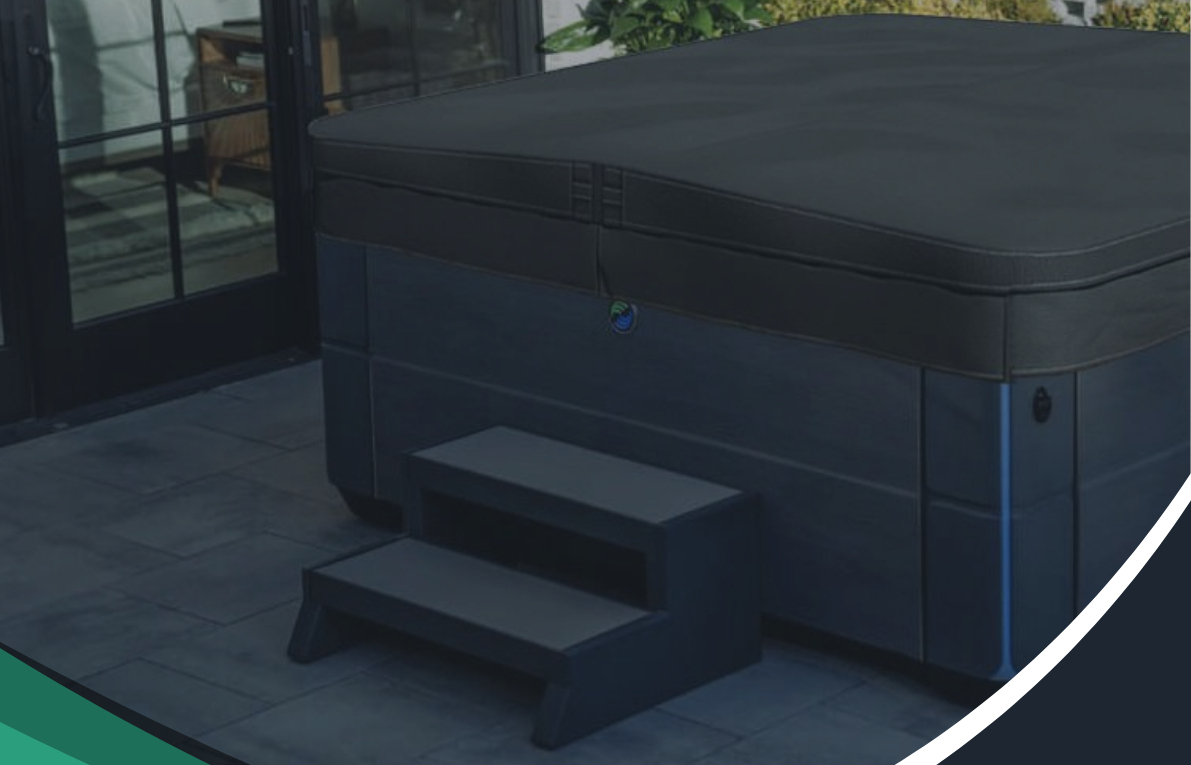
A well-fitting, insulated hard cover helps limit heat loss and evaporation between sessions. To maintain its effectiveness, inspect it regularly for gaps, sagging, damage, or waterlogging, and replace it when it no longer fits or performs as intended.
For additional insulation, a floating layer beneath the hard cover may help reduce evaporation and support heat retention. However, its effectiveness can vary depending on the spa, cover fit, climate, installation, and frequency of use.
For owners who need a replacement hard cover, we offer a premium spa cover. We also offer floating spa covers that can provide an additional layer beneath the main cover.
Meanwhile, a cover lifter can make handling easier, particularly when the weight of the cover makes regular opening and closing more difficult.
Finally, always follow the manufacturer’s instructions for proper use and care. While a suitable cover can help improve efficiency, it does not replace proper supervision or routine water care.
Final Verdict: Is a Sauna or Hot Tub Better?
Choose the option you can safely, affordably, and consistently use. A sauna generally involves less water-related upkeep, while a hot tub offers warm-water immersion, buoyancy, jets, and social use but requires ongoing water care, cover handling, and energy management.
Frequently Asked Questions (FAQs)
Is a Sauna or Hot Tub Better for Sore Muscles and Joint Pain?
A sauna provides dry heat, while a hot tub adds buoyancy and targeted jets. Either may provide temporary comfort, but neither treats arthritis, joint disease, or an injury. Follow medical advice and stop if symptoms worsen.
Is a Sauna or Hot Tub Cheaper to Run Each Month?
A sauna is often heated per session, while a hot tub often maintains warm water between uses.
That pattern can make a sauna cheaper for occasional use, but insulation, model efficiency, climate, electricity rates, water care, and usage can change the result. Compare the actual equipment and your expected schedule instead of assuming one option always costs less.
How Long and How Often Can You Use a Sauna or Hot Tub?
There is no universal schedule. Follow the manufacturer’s instructions, use conservative exposure, cool down, and hydrate. For hot tubs, read how long you can stay in a hot tub and ask a healthcare provider if you have concerns.
Can You Use a Sauna and Hot Tub on the Same Day?
There is no universal safe same-day schedule. Using a sauna and hot tub in one day increases total heat exposure, so follow each manufacturer’s limits, keep both sessions conservative, cool down fully between them, avoid alcohol, and stop immediately if you feel dizzy, faint, nauseated, unusually weak, or otherwise unwell.
Which Is More Hygienic or Easier to Clean?
A sauna avoids standing water, but it still needs surface cleaning, drying, and ventilation. A hot tub needs properly maintained filtration, sanitizer, pH, and regular cleaning because contaminated water can spread germs.
The sauna is usually simpler to clean, while the hot tub can be convenient when its water-care routine is handled consistently.
Can a Sauna or Hot Tub Help You Lose Weight?
Neither a sauna nor a hot tub replaces nutrition, exercise, or evidence-based weight management. A temporary scale change after heat exposure is largely related to fluid loss, not meaningful fat loss.
Rehydrate after sweating or soaking, and speak with a qualified healthcare professional if you have weight-related health goals.