

The appeal of owning a hot tub is undeniable, offering a private retreat for relaxation and hydrotherapy right in your backyard. However, before buying or using one regularly, you likely want to know how much it costs to run a hot tub.
Running costs are one of the most common concerns for buyers and owners alike, and we understand that budgeting for a new spa requires clear expectations.
Costs vary based on several factors, including your climate, the size of the spa, and how often you use it. While the initial purchase price is a one-time expense, the ongoing monthly hot tub cost requires planning.
Whether you are a first-time buyer or a long-time owner looking to cut expenses, this guide covers everything you need to know. In this article, we break everything down clearly so you can understand the true cost of ownership.
Average Monthly Cost to Run a Hot Tub
When determining the average hot tub electricity cost and overall expenses, it helps to look at realistic monthly cost ranges:
- $20–$30 per month for a very efficient setup in a mild climate with moderate use
- $40–$60 per month for typical household use in a moderate climate
- $70–$100+ per month in colder climates with frequent use or poor insulation
These costs are generally divided into three main categories:
- Electricity – the largest expense, used to power the heater and pumps
- Chemicals – necessary for maintaining clean and balanced water
- Water – a smaller cost associated with occasional refills
For example, a household using their spa several times per week in a moderate climate might spend around $50 per month, including:
- About $35 for electricity
- Around $10 for chemicals
- Roughly $5 for water
Just remember that actual costs can vary depending on electricity rates, climate, hot tub size, usage frequency, insulation quality, and the condition of the hot tub cover.
What Factors Influence Hot Tub Running Costs?
Understanding why costs vary helps explain the differences in your monthly hot tub cost. Several key elements determine your overall expenses.
Climate and Outdoor Temperature
Heat loss in colder climates requires the heater to work harder, leading to added energy demand.
When the ambient temperature drops, the spa must consume more power to maintain the set water temperature. We recommend investing in the best hot tub covers for cold climates to combat this heat loss effectively.
Frequency of Use
How often you use the spa directly affects heating cycles and filtration. Frequent use means the cover is off more often, allowing heat to escape and forcing the heater to run longer.
Additionally, more usage requires the filtration system to operate more frequently to keep the water clean.
Hot Tub Size and Water Capacity
Smaller tubs demand less energy to heat and maintain compared to larger models. A compact spa holds less water, meaning the heater reaches the target temperature faster and uses less power. Conversely, a large spa with a high water capacity requires more energy to heat the greater volume of water.
Insulation and Cover Quality
Insulation and cover quality are among the biggest cost drivers for any spa owner. Poor insulation allows heat to escape rapidly, causing the heater to run constantly.
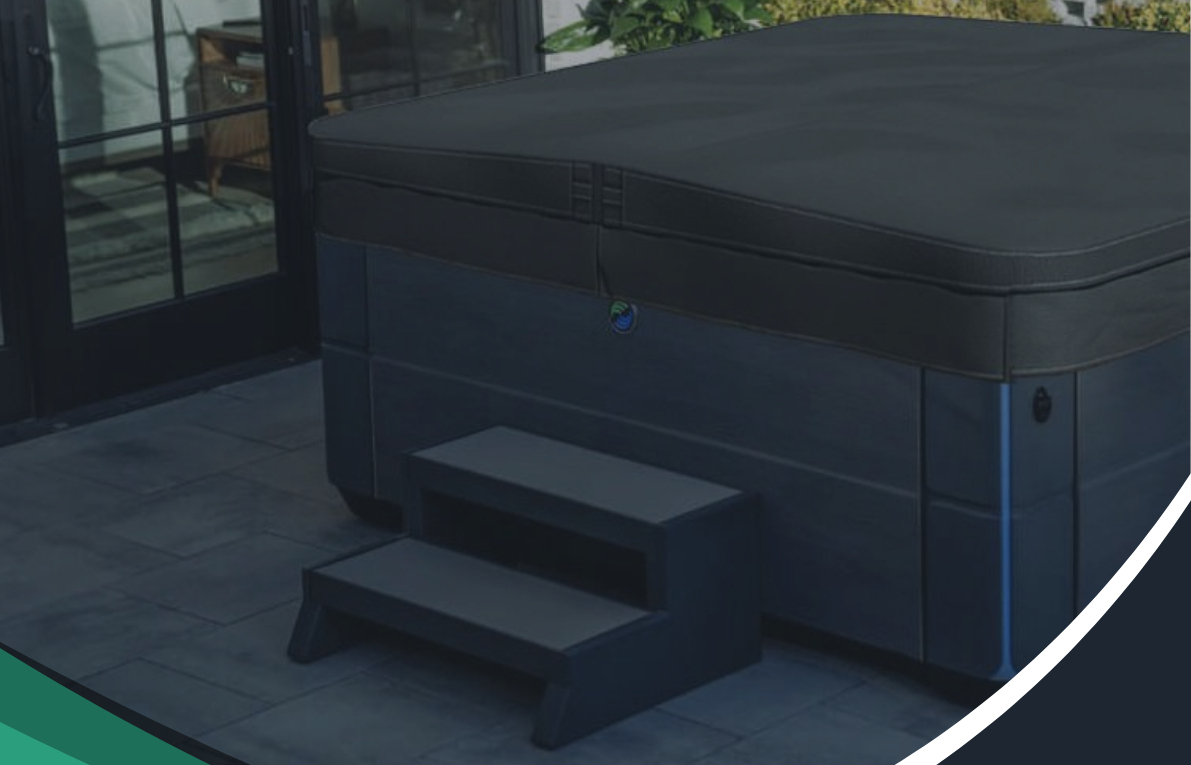
Upgrading to a well-fitting insulated hot tub cover can help trap heat, reduce heat loss, and support lower energy use over time.
Energy Efficiency of the Hot Tub
Modern units feature advanced insulation and efficient pumps that significantly lower the hot tub energy cost.
Older models often lack these energy-saving technologies, resulting in higher electricity bills. This is why an energy-efficient hot tub setup can help reduce ongoing expenses.
Electricity Costs: The Largest Ongoing Expense
When evaluating the cost to run a hot tub monthly, electricity is the largest ongoing expense. Many hot tubs may use around 100 to 300 kWh per month. However, actual usage depends on the heater, pump, climate, insulation, set temperature, and local electricity rate.
Understanding how long a hot tub takes to heat up can help you plan around initial heating costs.
This is because heating the water initially consumes the most power, while maintenance cycles use less energy. The pump and filtration system also contribute to energy usage, as they must run daily to circulate and clean the water.
Approximate daily electricity costs may range from about $1 to $3 in many cases, or roughly $30 to $90 per month, depending heavily on local electricity rates, weather, insulation, and usage.
For regularly used hot tubs, maintaining a steady temperature is often more practical and efficient than letting the water cool completely and reheating it each time. For long periods of non-use, lowering the set temperature or using an energy-saving mode may be more efficient.
Additional Costs Beyond Electricity
Beyond the hot tub electric bill increase, there are secondary costs to consider. These expenses support the overall operation and maintenance of your spa. While they are not as significant as electricity, they add up over time and should be factored into your budget.
Water Usage and Refills
You typically need to drain and refill your spa every three to four months. This refill frequency has a minor cost impact, usually adding only a few dollars to your water bill each time.
Learning how to drain a hot tub properly ensures you perform this task efficiently and without wasting water.
Chemicals and Water Care
Maintaining clean and safe water requires regular chemical treatments. Common water-care items include sanitizer, pH balancers, test strips, and filters. You can expect a general monthly estimate of $10 to $20 for these essential supplies.
Maintenance and Replacement Parts
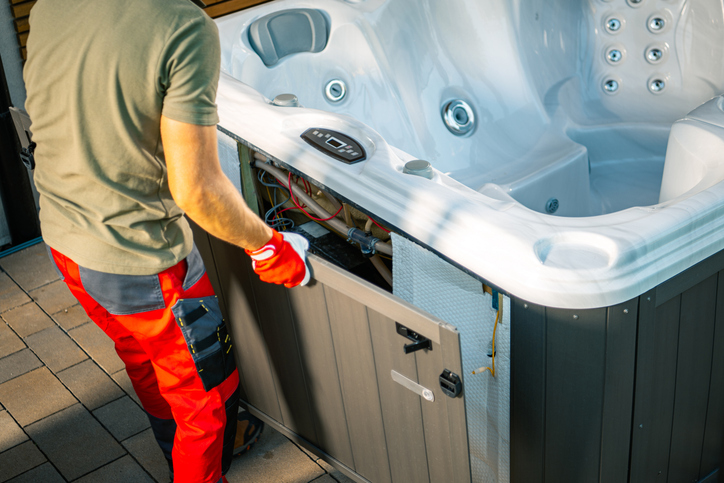
Routine maintenance involves replacing filters, scheduling occasional servicing, and addressing minor repairs.
While not a monthly expense, setting aside a small budget for replacement parts ensures your spa remains in top condition. These maintenance tasks are supporting costs rather than primary drivers of your monthly hot tub cost.
Practical Ways to Reduce Hot Tub Running Costs
Reducing your hot tub electricity cost is achievable with a few practical strategies. The tips below focus on practical ways to reduce heat loss, improve efficiency, and better manage monthly expenses.
Use a Well-fitting Insulated Hot Tub Cover
A well-fitting insulated cover provides excellent heat retention benefits. It prevents heat from escaping, which reduces the workload on your heater. Using a well-fitting premium spa cover is one of the most practical ways to reduce heat loss and help manage energy use. .
Add a Thermal Blanket for Extra Insulation
Adding a thermal blanket reduces evaporation and heat loss from the water surface. It floats directly on the water, providing an extra layer of insulation beneath your main cover. A thermal blanket can add another heat-retention layer beneath the main cover, helping reduce evaporation and heat loss.
Maintain a Consistent Water Temperature
Frequent reheating increases costs significantly because the heater must work continuously to raise the temperature. Maintaining a consistent water temperature is more efficient for regular use. We recommend finding the ideal hot tub temperature that balances comfort and energy savings.
Protect Your Hot Tub from Wind Exposure
Wind exposure strips heat away from the spa cabinet and cover. Positioning the spa near a wall or fence to block prevailing winds is a smart placement strategy. Shielding your spa from the wind reduces heat loss and may support lower heating costs.
Keep Equipment and Water Well-Maintained
Clean filters and balanced water provide significant efficiency benefits. A clogged filter forces the pump to work harder, increasing energy consumption. Knowing how to clean a hot tub filter ensures your equipment operates smoothly and efficiently.
Is Running a Hot Tub Expensive Over Time?
Running a hot tub is not overly expensive when you manage the costs with proper setup and maintenance. While the monthly hot tub cost adds to your household budget, it is comparable to other lifestyle expenses like a gym membership or daily coffee runs.
For many owners, the comfort, relaxation, and convenience can make the ongoing cost feel worthwhile. Efficiency improvements, such as upgrading an old cover or adding a thermal or solar blanket, can help reduce heat loss and support lower long-term costs.
The key is to treat your spa as an investment in your home and wellbeing, not just a recurring expense. By implementing energy-saving strategies, you ensure that owning a spa remains an affordable luxury.
Frequently Asked Questions (FAQs)
Do Hot Tubs Use a Lot of Electricity?
Hot tubs use a moderate amount of electricity, but efficiency differences play a major role. Modern, well-insulated models consume far less power than older, poorly insulated units. The right cover and insulation setup can make a significant difference in your monthly bill.
How Much Does It Cost to Run a Hot Tub per Month?
The typical range to run a hot tub is between $30 and $100 per month. This estimate includes electricity, chemicals, and occasional water refills. Your actual cost depends on your local electricity rate, climate, and how well your spa retains heat.
Is It Cheaper to Leave a Hot Tub on All the Time?
For regular use, it is often more efficient to maintain a steady temperature than to let the water cool completely and reheat it from scratch.
Final Thoughts on How Much Does It Cost to Run a Hot Tub
The typical monthly cost to run a hot tub usually falls between $30 and $100, depending on factors such as climate, usage frequency, electricity rates, and the energy efficiency of the unit.
Proper insulation and consistent maintenance can make a significant difference in keeping operating costs under control. High-quality accessories such as insulated hot tub covers and thermal blankets help reduce heat loss, improve energy efficiency, and lower monthly electricity expenses.
Small investments in insulation, maintenance, and energy-saving upgrades can lead to noticeable long-term savings while helping the hot tub remain comfortable and efficient year-round.
Explore our selection of hot tub accessories and covers to find options that can help improve heat retention, protect your cover, and support better energy efficiency.