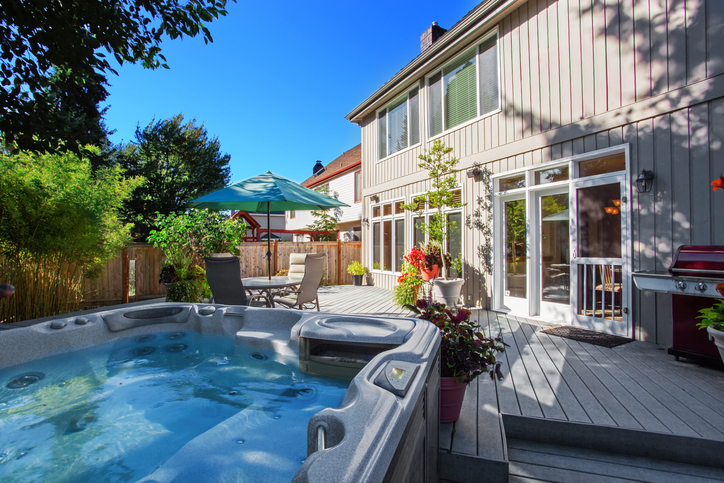


Most healthy adults should usually limit a hot tub session to around 15 to 30 minutes, depending on water temperature, comfort level, and health factors.
For safety, the CDC and Consumer Product Safety Commission advise keeping hot tub water at or below 104°F / 40°C.
This guide provides practical advice on safe soak times, warning signs to watch for, temperature settings, and when to get out of the water. We want to ensure you get the most out of your spa experience without compromising your well-being.
Whether you use your spa to relax, unwind, or ease everyday tension, understanding the safe time limit in a hot tub is essential for a great soak.
How Long Should You Stay in a Hot Tub?
A common recommended range for how long you should stay in a hot tub is 15 to 30 minutes for most adults. At hotter settings, such as 102 to 104°F, shorter sessions are generally safer and more comfortable for many people.
Here is a simple breakdown of safe hot tub time based on temperature:
- 98 to 100°F: Longer, more relaxed soaking may be comfortable for some people, as long as they still take breaks and pay attention to how they feel.
- 101 to 102°F: A moderate soak time is usually more appropriate for many healthy adults.
- 103 to 104°F: Keep sessions shorter and get out sooner if you feel dizzy, overheated, or uncomfortable.
Generally, for many healthy adults, the ideal hot tub temperature and duration depend on personal comfort. We recommend starting with shorter sessions if you are new to hot tubs.
As you become more accustomed to the heat, you can gradually increase your soak time. Always listen to your body and step out if you feel any discomfort.
Why Hot Tub Time Limits Matter
When the body stays in hot water too long, several issues can arise. Overheating, dehydration, dizziness, lowered blood pressure, and fatigue are common risks of staying too long in a hot tub.
The body struggles to cool itself down when submerged in water that is hotter than its internal temperature, which is why hot tub overheating symptoms can appear quickly if you are not careful.
Alcohol can increase safety risks because it may cause drowsiness and raise drowning risk, based on CPSC guidance. We strongly advise against consuming alcohol while soaking in your spa. The combination of hot water and alcohol accelerates dehydration and impairs judgment, making it difficult to recognize when you have been in the water for too long.
Understanding why time limits exist helps ensure a safe and enjoyable experience. By following these guidelines, you can enjoy a more comfortable soak while reducing the chance of staying in too long.
Key Factors That Affect Safe Hot Tub Soak Time
There is no single safe time for everyone. Several factors influence how long you can sit in a hot tub safely. We have broken down the main factors to help you determine the best soak time for your needs.
Water Temperature
Hotter water shortens safe soak time. Both the CDC and CPSC advise keeping hot tub water at or below 104°F or 40° Celsius.
If you prefer a longer soak, consider lowering the temperature to a more moderate level. Understanding how temperature affects hot tub soak time is crucial for preventing overheating and ensuring a comfortable experience.
Age and Health Conditions
Older adults, children, pregnant people, and people with heart, blood pressure, or circulation concerns may need shorter sessions or medical guidance. Always consult with a healthcare professional if you have any underlying health conditions before using a hot tub.
The hot tub time limit for seniors, for example, is often shorter due to changes in the body’s ability to regulate temperature.
Hydration Level
Hot water can make users sweat without realizing it, so hydration matters before and after soaking. We recommend drinking plenty of water to stay hydrated and prevent dizziness or fatigue.
The dehydration risk hot tub time presents is significant, especially during longer sessions or at higher temperatures.
Alcohol Use
Alcohol and hot tubs are a risky combination because both can affect alertness and dehydration. We advise saving the alcoholic beverages for after your soak. Drinking alcohol while in the hot tub can lead to hot tub nausea and other uncomfortable symptoms.
Experience Level
Beginners should start with shorter sessions and increase only if they feel comfortable. As you gain more experience, you can gradually extend your soak time while monitoring your body’s response. Following beginner-friendly hot tub habits can make your first few soaks more comfortable and easier to manage.
Signs You Should Get Out of the Hot Tub
It is crucial to recognize the warning signs that indicate you have been in the hot tub for too long. If you experience any of the following symptoms, step out of the water immediately:
- Dizziness
- Nausea
- Headache
- Feeling faint
- Excessive sweating
- Rapid heartbeat
- Skin feeling overly hot
- Confusion or unusual tiredness
Listening to your body is the best way to ensure a safe and enjoyable hot tub experience.
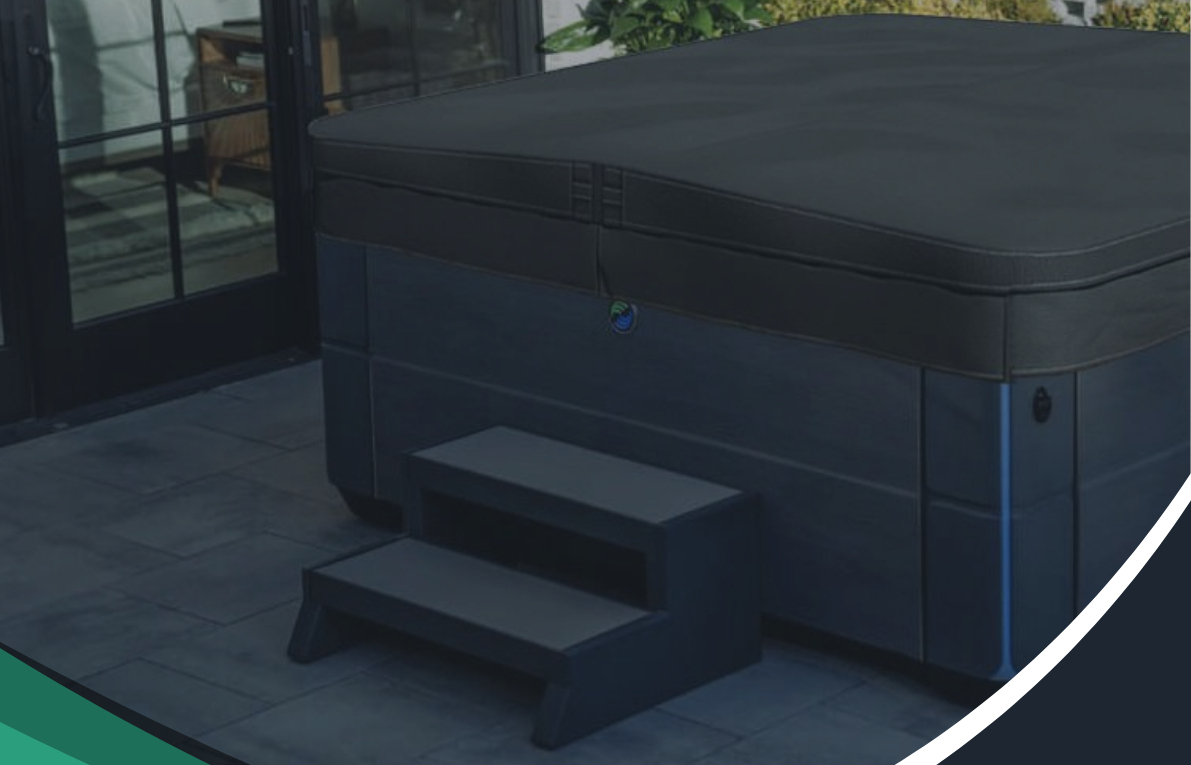
Do not ignore these warning signs. Get out slowly, sit down, cool off, and drink water if you feel unwell. Stable, slip-resistant hot tub steps can also make it easier to exit carefully, especially if you feel tired, dizzy, or unsteady.
If you ever wonder, “can you get dizzy in a hot tub?” the answer is yes, and it is a clear sign that it is time to get out and cool down.
Hot Tub Safety Tips for Longer, More Comfortable Soaks
To maximize your comfort and safety while soaking, we recommend following these practical tips. These spa soaking best practices will help you enjoy your hot tub to the fullest.
Lower the Temperature
Reducing the temperature can make longer sessions more comfortable. A slightly cooler tub allows you to enjoy the water for an extended period without the risk of overheating. This is one of the simplest ways to make a longer soak feel more manageable.
Take Breaks Between Sessions
We recommend stepping out, cooling down, and rehydrating before getting back in. Taking short breaks helps regulate your body temperature and prevents dehydration. Knowing how long between hot tub sessions to wait is just as important as knowing how long to stay in.
Drink Water Before and After
Hydration is key to a safe hot tub experience. Drink plenty of water before, during, and after your soak to replenish lost fluids and maintain your energy levels. This simple step can prevent you from asking, “why do I feel sick after hot tub use?”
Avoid Alcohol While Soaking
As mentioned earlier, alcohol and hot tubs do not mix well. Save the drinks for later to ensure you stay alert and hydrated. This is a simple but important hot tub safety habit.
Use a Well-Fitting Hot Tub Cover Between Uses
A well-fitting cover helps reduce heat loss, keeps leaves and debris out between uses, and supports easier day-to-day hot tub maintenance.
Hot Tub Cover Spot offers custom hot tub covers designed to fit your spa and help protect it between uses. Check out our hot tub covers to find the perfect fit for your spa. A well-fitting cover is essential for maintaining your hot tub’s efficiency and cleanliness.
For added comfort and convenience, you can also explore hot tub accessories such as steps, handrails, thermal blankets, booster seats, pillows, skimmers, brushes, and spa trays.
How Long Can Children Stay in a Hot Tub?
Children are more sensitive to heat, so they should only use a hot tub with close adult supervision, lower water temperatures, and brief sessions.
Always monitor children closely while they are in the hot tub and ensure the water temperature is safe for their age and size. Knowing how long kids can stay in a hot tub is vital for their safety and well-being.
Is It Safe to Use a Hot Tub Every Day?
Many healthy adults can use a hot tub regularly, but daily use still requires attention to time, temperature, hydration, and water cleanliness. Daily use may increase the need for water testing, filter cleaning, and keeping the spa covered between uses to help reduce leaves, dirt, and debris.
With short sessions, controlled water temperature, proper hydration, and regular water care, many healthy adults can enjoy frequent hot tub use more comfortably. Daily hot tub use safety depends on your commitment to proper maintenance and mindful soaking habits.
Frequently Asked Questions
Is 30 Minutes Too Long in a Hot Tub?
30 minutes may be fine for some healthy adults at moderate temperatures, but it may be too long at hotter settings like 103 to 104°F. We recommend getting out sooner if any discomfort starts. Always prioritize your comfort and safety over reaching a specific time limit.
What Happens if You Stay In a Hot Tub Too Long?
Staying in a hot tub too long can lead to overheating, dehydration, dizziness, and feeling faint. Users should leave the tub immediately if they feel unwell.
Ignoring these signs can make symptoms worse, so it is better to step out early.
Is It Okay to Use a Hot Tub Every Day?
Daily use can be okay for some people when sessions are short, water temperature is controlled, and hydration is maintained.
People with health concerns should check with a healthcare professional before establishing a daily hot tub routine. Regular use can offer numerous benefits, provided it is done safely and responsibly.
Final Thoughts
Most adults should keep sessions around 15 to 30 minutes, adjust based on temperature and comfort, and exit immediately if they feel unwell.
By following these guidelines and listening to your body, you can enjoy a safe, relaxing, and rejuvenating hot tub experience every time. Using a well-fitting premium spa cover between sessions can help reduce heat loss, keep debris out, and make routine hot tub maintenance easier.
Remember that your safety and comfort are paramount, so always err on the side of caution when determining your ideal soak time.