

Both chlorine and bromine can sanitize hot-tub water when you use an approved product and maintain the correct water balance. The better choice depends on how your spa operates, how often you use it, and which sanitizer system the manufacturer supports.
This bromine vs chlorine hot tub comparison covers speed, heat stability, cost, setup, odor, and maintenance needs. We also look at how each sanitizer can affect your hot tub cover and equipment, so you can understand the practical differences before choosing a system.
Whichever option you use, follow your spa manufacturer’s instructions and the directions on the sanitizer label.
Bromine vs. Chlorine for a Hot Tub: Quick Answer
Bromine is often a practical choice for frequently used, continuously heated, indoor, or well-covered hot tubs. It tends to remain active longer in warm water and can stay effective across a broader pH range. Some hot tub owners may also prefer the odor or feel of properly maintained bromine-treated water.
Chlorine, meanwhile, typically costs less, is widely available, and acts quickly when added to the water. It can also offer a straightforward startup when used with a compatible hot tub system.
There is no single best sanitizer for every hot tub. Your spa manufacturer’s requirements, proper sanitizer levels, balanced water chemistry, and regular testing should guide your choice more than cost or odor alone.
How Chlorine and Bromine Work in Hot Tubs
Hot tubs place unique demands on water care due to their warm temperatures, small water volume, and frequent exposure to contaminants. Here is how each sanitizer works under these conditions:
How Chlorine Works in a Hot Tub
Free chlorine sanitizes hot-tub water by reacting with microorganisms and contaminants such as sweat and body oils. During this process, chloramines can form and contribute to the sharp odor commonly associated with chlorine.
Chlorine acts quickly, is widely available, and generally costs less than bromine. However, heat, aeration, sunlight, and frequent use can consume it relatively quickly, so maintaining the correct residual requires regular testing.
Hot-tub chlorine products come in different formulations. Use only a product whose label permits use in your specific spa, and follow both the product label and spa manufacturer’s instructions. Do not substitute pool chlorine or assume that chlorine tablets are suitable for every hot tub.
How Bromine Works in a Hot Tub
In many bromine systems, an approved oxidizer converts a bromide reserve into active bromine, which sanitizes the water. The exact process varies by product, so not every bromine tablet, granule, or dispensing system follows the same startup routine.
Bromine generally remains effective longer in warm water and across a broader pH range, making it well suited to typical hot-tub conditions. It can form bromamines as it reacts with contaminants, so bromine-treated water is not necessarily odorless.
Compared with chlorine, bromine typically costs more and may involve additional startup steps, particularly when establishing a bromide reserve. Follow the product label and your spa manufacturer’s instructions for the correct setup and sanitizer levels.
Bromine vs. Chlorine: Side-by-Side Comparison
| Comparison Factor | Chlorine | Bromine |
| Sanitizing action | Generally provides faster initial action. | Generally provides slower initial action. |
| Heat and residual longevity | Warm, aerated water and heavy use can consume it more quickly. | Generally remains active longer in warm water and may be reactivated in an approved routine. |
| pH sensitivity | Effectiveness decreases more noticeably as pH rises. | Remains effective across a broader pH range. |
| Setup | Often has a simpler startup in an approved chlorine system. | Some systems establish a bromide bank or reserve; requirements vary. |
| Sunlight | Sunlight can reduce chlorine. Follow the spa manual rather than assuming stabilized chlorine is always appropriate. | Sunlight can reduce bromine, and cyanuric acid does not stabilize it. |
| Odor and comfort | Chloramines can cause a sharp odor or irritation when chemistry is poorly managed. | Has a different odor that some users prefer, but it is not odorless or hypoallergenic. |
| Cost and availability | Usually lower-cost and more widely available. | Usually higher-cost and less widely available. |
These differences depend on the product formulation, spa design, usage, pH, temperature, and sunlight exposure. Use the table as a starting point, not as a promise that one sanitizer will perform the same way in every hot tub.
Should You Choose Chlorine or Bromine for Your Hot Tub?
The best sanitizer is the approved system that matches your spa and that you can test and maintain consistently.
Chlorine May Be the Better Choice If…
Consider chlorine when your hot tub or installed water-care system is designed for it, particularly if you value widely available supplies and lower upfront chemical costs. Its faster action can also be useful for spas that see occasional rather than frequent use.
Whatever your usage pattern, dose according to current test results and the product label instead of relying on a fixed amount each time.
Bromine May Be the Better Choice If…
For a hot tub that stays warm and gets regular use, bromine’s longer-lasting residual can be an advantage. This characteristic also makes it a common option for indoor and typically covered spas.
Some owners prefer the odor or feel of properly maintained bromine-treated water. Comfort varies from person to person, however, and bromine does not eliminate the possibility of irritation.
Before switching, confirm that both the hot tub and its water-care system are compatible with bromine.
Check System Compatibility Before Deciding
Before choosing a sanitizer, review your hot tub’s owner’s manual and warranty requirements, along with the instructions for any feeder, filter, mineral cartridge, salt system, ozone unit, or other installed equipment. Rental and commercial hot tubs may also be subject to local water-treatment requirements.
Keep in mind that a saltwater hot tub typically generates chlorine, so “saltwater” does not necessarily mean chlorine-free.
Compatible mineral, ozone, and advanced-oxidation systems may help reduce sanitizer demand, but they do not automatically eliminate the need for a measurable sanitizer residual. Follow the requirements for both your spa and any supplemental water-care system.
Chlorine and Bromine Levels: What Should You Test?
Regular testing helps you make treatment decisions based on actual water conditions rather than smell, appearance, or a fixed dose. For step-by-step instructions, see our how to test hot tub water guide.
| Parameter | CDC hot-tub reference | Why it matters |
| Free chlorine | At least 3 ppm; CDC flags readings above 10 ppm for attention. | Supports sanitation in a chlorine system. |
| Bromine | 4–8 ppm. | Supports sanitation in a bromine system. |
| pH | 7.0–7.8. | Supports sanitizer performance and user comfort. |
These figures reflect CDC consumer guidance for hot tubs, but your spa manufacturer and sanitizer label may specify a particular operating range for your system. Test the water before adding chemicals, then follow the applicable dosing, circulation, and waiting instructions before using the hot tub or putting the cover back on.
Can You Switch Between Chlorine and Bromine?
You can switch sanitizers in some hot tubs, but the process depends on the system and the direction of the change. Before starting, check your spa manual, warranty requirements, equipment, sanitizer labels, and any feeder or cartridge instructions.
Never Directly Mix Concentrated Spa Chemicals
Never mix concentrated chlorine and bromine products or place them together in the same container, feeder, or scoop. Keep the chemicals separate, and do not reuse a feeder for another product unless the manufacturer specifically permits it and provides instructions for doing so.
Some bromine systems use an approved chlorine-based oxidizer to activate bromide in the water. This is part of a specific treatment process and is not the same as mixing concentrated chlorine and bromine products. Always follow the directions and safety warnings on the chemical label.
Switching From Bromine to Chlorine Usually Requires a Drain and Refill
Because a bromide reserve can remain in the water, switching from bromine to a chlorine-only system typically requires a fresh start. Depending on your spa’s instructions, this may involve draining the water, cleaning or replacing specified components, refilling, balancing the water, and establishing the new sanitizer.
The process for switching from chlorine to bromine may be different, so follow the instructions for your particular spa and sanitizer system rather than assuming the same steps apply in reverse.
When it is time to replace the water, see our guide on how to drain a hot tub safely. For above-ground applications, consider the QuickDrain Hand-Held Drain as a convenient way to remove water.
How Chlorine and Bromine Affect Hot Tub Covers and Equipment
Both sanitizers are suitable for hot tubs when maintained within approved ranges. However, excessive sanitizer levels, poor pH balance, and trapped chemical vapor can contribute to premature wear on covers and spa components.
A properly fitted hot tub cover helps reduce debris and evaporation. After adding chemicals, follow the sanitizer label’s circulation and waiting instructions before closing the cover to avoid trapping concentrated chemical vapor underneath.
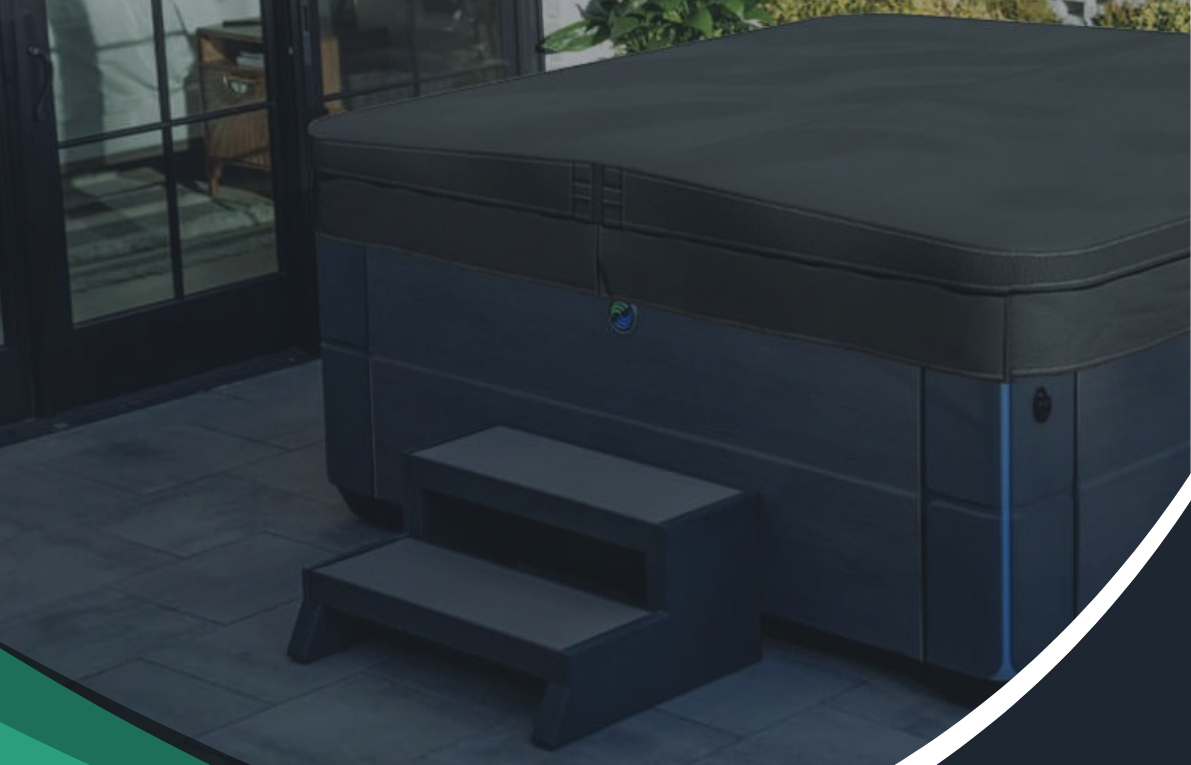
Our Premium Spa Cover includes a 4 mil vapor barrier heat-sealed to the foam core, a double-sided liner chemically treated on both sides, and 2-inch chemical-resistant galvanized steel support beams. Its solid underliner is also chlorine- and bromine-resistant. Proper water care is still essential for protecting the cover over time.
For routine maintenance, see our guide on how to clean a hot tub cover.
Frequently Asked Questions (FAQs)
Is bromine better than chlorine for sensitive skin?
Bromine is not universally better for sensitive skin, although some users prefer it. Either sanitizer can cause irritation when levels or pH are incorrect, so use an approved system, test the water, and follow the label and spa manual.
Can I use swimming-pool chlorine in a hot tub?
Use only a chlorine product whose label specifically permits use in your type of spa, and follow the spa manufacturer’s instructions. Pool products may differ in concentration, ingredients, or dissolution rate and may not be compatible with a hot tub.
Can chlorine shock be used in a bromine hot tub?
A chlorine-based oxidizer can activate bromide in certain approved bromine systems. Never combine concentrated products; follow the bromine system manual and shock label to confirm that the product is allowed and to use it safely.