

When you are ready to relax in your hot tub, waiting is the last thing you want. Whether you just refilled the spa or the water temperature has dropped, it helps to know how long it will take to heat back up. Heat-up time can vary widely, but the key factors are easy to understand.
In this guide, you will learn a simple way to estimate your hot tub’s heat-up time. We will cover typical timelines for 120V, 240V, and inflatable models, plus what affects heating speed and practical tips to warm your hot tub faster.
A Simple Way to Estimate Your Heat-up Time
You can get a rough idea of your hot tub’s heating time with a simple calculation. First, find the difference between your target temperature and the starting water temperature. Then, divide that number by your hot tub’s estimated heating rate in degrees per hour.
For example, to heat water from 60°F to 100°F, you need a 40°F temperature rise. If your spa heats at around 5°F per hour (common for many 240V setups), it will take about eight hours to reach your target. In Celsius, heating from 15°C to 38°C requires a 23°C rise. So if your tub heats at 3°C per hour, it will take just under eight hours.
Many 240V hot tubs heat at a rate of ~4–6°F per hour (≈2–3°C/hr) under typical conditions. In contrast, many 120V plug-and-play models heat closer to 1°F per hour (≈0.5°C/hr). Remember that cold air, wind, and leaving the cover off will slow the heating process.
Typical Timelines by Hot Tub Type
The time it takes to heat your hot tub depends on its type and power source. The table below gives a general overview of what you can expect from different models.
| Hot Tub Type | Typical Heating Rate | Estimated Time to Heat (40°F/22°C Rise) |
| Standard 240V | ~4–6°F per hour (≈2–3°C/hr) | ~7–10+ hours (varies by conditions) |
| Plug-and-Play 120V | ~1°F per hour (≈0.5°C/hr) | ~30–50+ hours (varies by conditions) |
| Inflatable | Often slower than hard-shell spas; varies widely by model and weather | ~18–48+ hours (cool weather can take longer) |
| Swim Spa | Varies by size and heater | 24+ hours (often 1–2+ days after a full refill) |
Standard 240V Hot Tubs
Most 240V hot tubs can reach a comfortable temperature within a workday. Their powerful heaters allow for a much faster heating process compared to lower voltage models. This makes them a popular choice for those who want to use their hot tub on short notice.
Plug-And-Play 120V Hot Tubs
Plug-and-play hot tubs use a standard 120V outlet. They offer convenience but take longer to heat. With a heating rate around 1°F per hour, you will need to plan ahead—a large temperature rise can take 30–50+ hours, depending on conditions..
Inflatable Tubs
Inflatable hot tubs are an affordable and portable option, but their heating times can be lengthy. They often heat more slowly and can take many hours to more than a day to warm up, especially in cooler weather. Proper insulation is essential to minimize heat loss.
Swim Spas
Swim spas hold a much larger volume of water, which means they require more time to heat. However, the exact time can vary widely depending on the spa’s size and heater power. It is best to allow at least 24+ hours for the water to reach a comfortable temperature.
The 7 Biggest Factors That Change Heating Time
Several key variables impact how long it takes for your hot tub to heat up. Understanding these factors can help you manage your expectations and speed up the process. Each element plays a role in the heating timeline.
Starting Water Temperature (Cold Hose vs Warm Fill)
The initial temperature of the water makes a significant difference. Using cold water from a hose means your heater has to work much harder. Starting with warmer fill water can reduce the temperature gap and shorten heat-up time—but avoid extreme temperatures and follow your manufacturer’s guidance.
Outdoor Temperature and Wind Exposure
Ambient air temperature and wind also affect heating time. In cold weather, your hot tub loses heat to the air more quickly. A windy day also increases heat loss, so reducing wind exposure (windbreaks, fencing, keeping the cover closed) can help.
Heater Size and Power Supply (120V vs 240V)
The power of your hot tub’s heater is a major factor. A 240V heater is more powerful and efficient than a 120V heater, resulting in a shorter heating time. This is one of the most significant differences between hot tub models.
Water Volume (2–3 Person vs 7+ Person)
The more water your hot tub holds, the longer it will take to heat. A smaller, 2–3 person hot tub will heat up faster than a large, 7-person model. The volume of water is a simple but important consideration.
Cover Quality and Fit
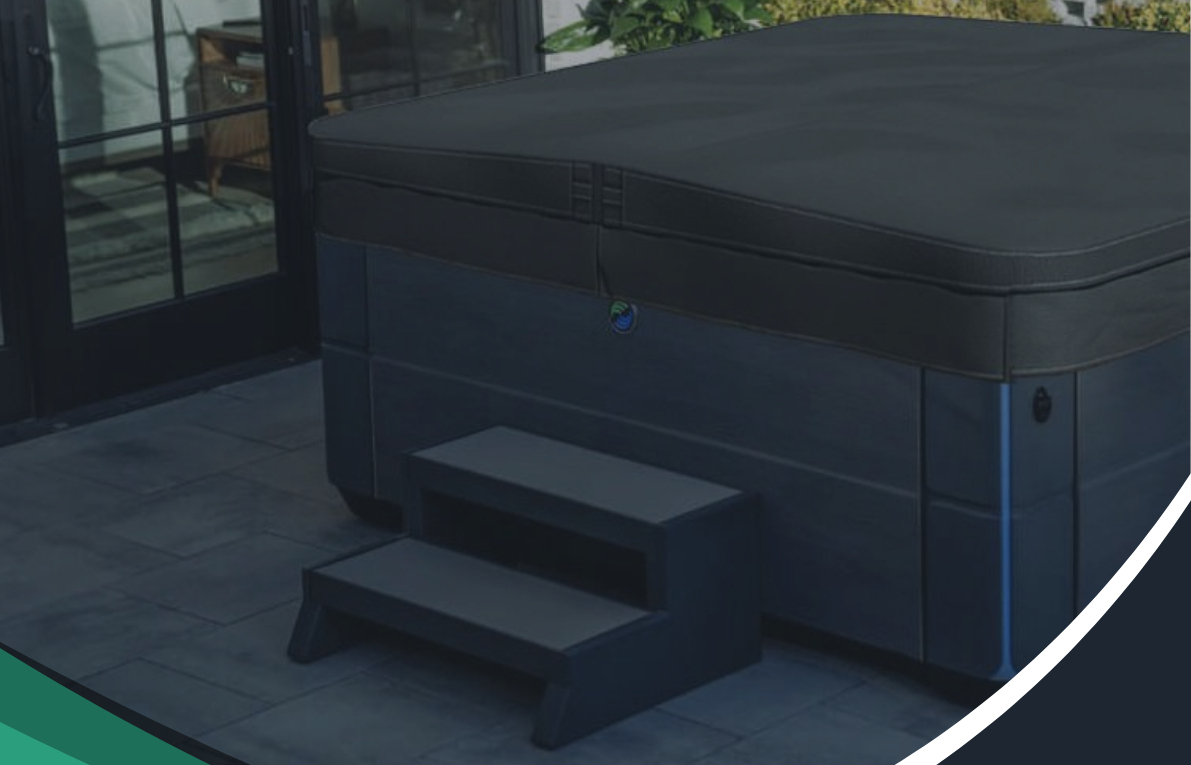
A high-quality, well-fitting hot tub cover is a key tool for speeding up the heating process. A good cover traps heat and prevents it from escaping. If your cover is old, waterlogged, or fits poorly, it can significantly increase your heating time.
Circulation and Filtration Condition
Your hot tub’s circulation and filtration systems also play a role in heating efficiency. Dirty or clogged filters can restrict water flow and reduce your heater’s effectiveness. Regular cleaning of your filters will ensure your system runs optimally.
Settings and Modes (Standard vs Economy/Sleep)
Many hot tubs have different operating modes, such as “Standard,” “Economy,” or “Sleep.” These settings affect when and how your hot tub heats. Standard mode heats on demand, while Economy or Sleep modes may only heat during filtration cycles, slowing the initial process.
How to Heat Your Hot Tub Faster
If you want to get into your hot tub sooner, several simple strategies can speed up the heating process. From keeping the cover on to using a smart fill strategy, these tips can reduce your wait time. A few small adjustments can make a noticeable difference.
Keep the Cover Closed
Keeping the cover on is the most effective way to heat your hot tub faster. A quality cover traps heat and prevents it from escaping. This simple step can significantly reduce the time and energy required to reach your desired temperature.
Start With a Smart Fill Strategy
Filling your hot tub with warm water can give you a major head start. A small increase in the initial water temperature can save hours of heating time. If you do not have a warm water source, try filling your tub on a warmer day to take advantage of the ambient heat.
Help Your Tub Retain Heat
Along with a quality cover, a floating thermal blanket can help reduce heat loss by adding an extra insulating layer directly on the water. A solar blanket offers similar benefits and can help retain warmth between heating cycles.
For even better performance, protect your cover with a spa cover cap, which adds a water and weather-protective layer to help protect and extend the life of your cover.
Reduce Common Efficiency Drains
Make sure your hot tub is running as efficiently as possible. Check that your filters are clean and your circulation system is working properly. Consider switching to standard mode for the initial heating to keep the heater engaged.
What to Do if Your Hot Tub Is Heating Too Slowly
If your hot tub is taking longer than usual to heat, start by checking your cover for damage or waterlogging. A heavy, saturated cover is a clear sign it may need replacing, and even small gaps or cracks can cause major heat loss.
Next, inspect your filters and clean them if needed. Clogged filters restrict water flow and reduce heater efficiency. If you have recently refilled the tub, confirm the water level and circulation are correct by following this how to drain a hot tub guide.
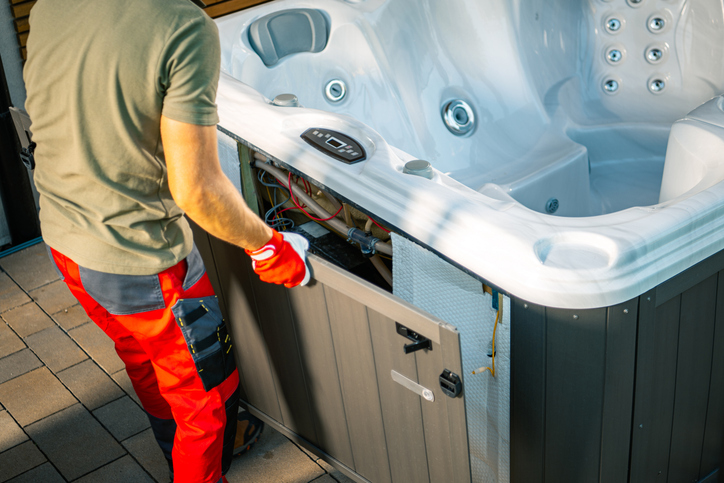
Once you’re sure that everything checks out but heating is still slow, it may be time for a professional to inspect the heater.
Keeping Your Hot Tub “Ready to Soak” With Less Energy Waste
Whether it’s cheaper to keep your hot tub hot depends on your climate, insulation, cover condition, and how often you soak. Many owners find it more efficient to avoid large temperature swings and keep the cover on tightly between uses.
A well-insulated hot tub with a quality cover retains heat effectively. This approach saves energy and ensures your hot tub is always inviting.
Is It Cheaper to Leave a Hot Tub Heated All the Time?
In many cases, frequent users avoid big temperature swings and keep the tub near their usual setpoint. But the ‘cheapest’ approach depends on your climate, insulation, cover condition, and how often you soak.
The initial heating process consumes a large amount of energy, while maintaining the temperature requires much less. If you use your hot tub frequently, this is usually the more cost-effective option.
The Cover Is Your “Energy Bill” Control Point
Your hot tub cover is the most critical factor in controlling energy consumption. A high-quality, well-fitting cover prevents heat from escaping, reducing the workload on your heater. Investing in a good cover is the best way to lower your energy bills.
Frequently Asked Questions (FAQs)
Can You Use a Hot Tub While It’s Heating Up?
Yes, you can use your hot tub while it is heating, but the water may not be at your ideal temperature. For most residential hot tubs, don’t exceed 104°F (40°C). If the water is still warming, it may feel cooler than your setpoint and opening the cover will slow heat-up.
Do Hot Tub Jets Help the Water Heat Up Faster?
Running the jets helps circulate water and distribute heat evenly, but it does not make the water heat up faster. In some cases, jets can increase heat loss by agitating the water’s surface. It is best to keep the cover on and jets off during the initial heating phase.
How Long Does It Take to Fill a Hot Tub?
The time it takes to fill a hot tub depends on its size, your water pressure, and hose diameter. On average, it can take 1 to 3 hours to fill a standard-sized hot tub. This fill time is separate from the heating time.
Final Thoughts on How Long a Hot Tub Takes to Heat Up
Heating your hot tub is a balance of several factors, from the type of spa you own to the quality of your cover. A 240V hot tub will heat faster than a 120V model, but you can speed up the process for any spa. Keeping the cover on, using a thermal blanket, and ensuring your filters are clean will help you get to your relaxing soak sooner.
Ultimately, your hot tub cover is the most significant factor in both heating time and energy efficiency. A well-fitting, high-quality cover will save you time and money.
If you are looking to upgrade your hot tub experience, we invite you to explore our selection of hot tub cover lifters and covers to find the perfect fit for your spa.