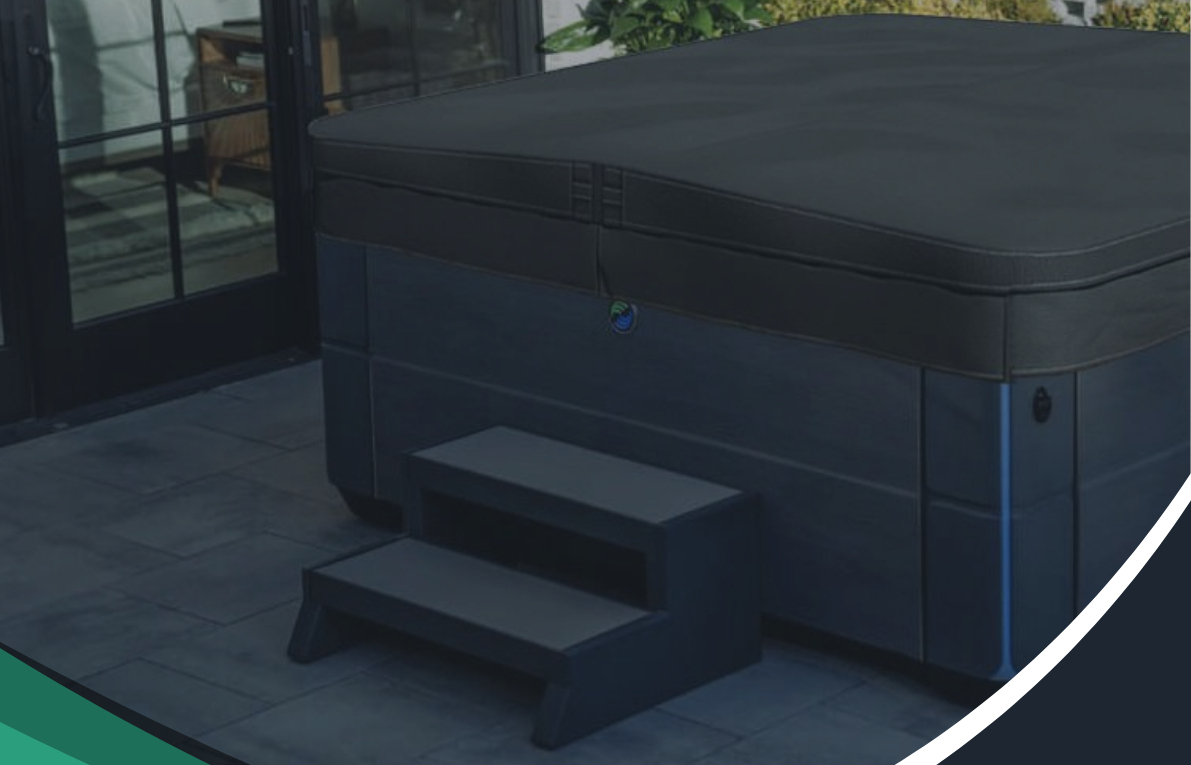


A new hot tub cover is a significant investment in your spa’s performance and energy efficiency. While most covers last about 5 to 7 years, their actual lifespan depends on climate, material quality, and daily care.
A cover that looks fine from a distance may already be failing, leading to heat loss and higher energy bills. A high-quality, well-maintained cover is one of the most important factors in keeping your hot tub energy-efficient and ready to use.
This guide explains the key factors that determine a hot tub cover’s longevity, the warning signs of a failing cover, and practical tips to make yours last longer. Understanding how a cover wears out will help you spot problems early, avoid premature damage, and know when replacement is the smarter choice.
What Is the Average Lifespan of a Hot Tub Cover?
While the industry average for a hot tub cover is 5 to 7 years, this is not a guarantee.
In ideal conditions, with a high-quality cover and diligent maintenance, some owners can get up to a decade of use. Conversely, in harsh climates or with neglect, a cover can fail in as little as 3 to 4 years.
Just remember that the lifespan is less about a fixed timeline and more about the condition of the cover’s core components. The primary job of a hot tub cover is to retain heat, and its ability to do so diminishes as it ages and wears.
A waterlogged cover, for instance, has already lost its insulating properties, even if the outer vinyl still looks intact. Therefore, it’s more useful to think of a cover’s lifespan in terms of its performance rather than just its age.
What Determines a Hot Tub Cover’s Lifespan?
Not all hot tub covers age at the same rate. Several factors contribute to how long a cover will perform effectively, such as:
Climate and Weather Exposure
Direct sun, heavy rain, snow, and ice can all shorten a cover’s lifespan. UV exposure may cause vinyl to become brittle and crack, while snow buildup or standing water can put stress on seams and lead to sagging.
In colder regions, repeated freeze-thaw cycles can speed up wear and tear, making climate one of the biggest factors in how long a cover lasts, especially if the spa is not protected by a roof or gazebo.
In general, a cover in a mild, shaded area will last longer than one exposed to intense sun, heavy rain, or frequent snowfall.
Moisture Intrusion and Waterlogging
The most common cause of cover failure is water absorption. A hot tub cover’s insulating foam core performs properly only when it stays dry.
Although the foam is wrapped in a protective vapor barrier, that seal can weaken over time. Once moisture gets inside, the foam becomes waterlogged, making the cover much heavier and far less effective at retaining heat. That is why a heavy cover is one of the clearest signs that it is starting to fail.
Water Chemistry and Steam
The underside of your cover is constantly exposed to steam and chemical vapors from the hot tub. Over time, that moisture can wear down materials from the inside out.
Unbalanced water chemistry, especially high chlorine or bromine levels, can speed up the damage and shorten the life of your cover.
Build Quality and Materials
A cover’s construction plays a huge role in its durability. High-quality, marine-grade vinyl, UV-resistant thread, and a thick, properly sealed vapor barrier will always outlast cheaper alternatives.
The density of the foam core also matters as denser foam provides better insulation and is more resistant to sagging.
Daily Handling and Use
Dragging, dropping, or folding a cover the wrong way can cause damage that shortens its lifespan. These habits can strain the seams, crack the foam core, and wear down the outer material over time.
A cover lifter is a worthwhile investment because it makes the cover easier to handle and helps prevent the unnecessary wear and tear that often comes from manual use.
5 Signs It’s Time to Replace Your Hot Tub Cover
How can you tell if your cover is nearing the end of its life? Here are the most common warning signs:
1. The Cover is Heavy and Difficult to Lift
If your cover feels significantly heavier than it used to, it’s almost certainly waterlogged. This is the clearest sign that the vapor barrier has failed and the foam core is saturated. A heavy cover is not just an inconvenience; it’s a clear indicator of poor insulating performance.
2. The Cover is Sagging or Warped
A healthy cover should be flat and create a tight seal with the edge of the spa. If your cover is sagging, cupping, or warped, it allows heat to escape and creates low spots where rain and snow can pool, accelerating its decline.
3. The Vinyl is Cracked, Torn, or Brittle
While minor cosmetic flaws may not seem like a big deal, any break in the vinyl surface is an entry point for moisture. Cracks and tears compromise the cover’s integrity and will only get worse over time.
4. You Notice a Musty or Mildewy Smell
A persistent foul odor, even after cleaning the surface, is a strong sign that moisture is trapped inside the foam core, leading to mold and mildew growth. This is not only unpleasant but can also be a health concern.
5. Your Energy Bills Are Increasing
An old or failing cover loses its ability to insulate, forcing your hot tub’s heater to work harder to maintain the water temperature. If your hot tub seems to lose heat faster or run longer to maintain temperature, a worn-out cover may be part of the problem.
Can You Repair a Hot Tub Cover?
While minor repairs, like patching a small tear in the vinyl or replacing a broken strap, are possible, they are often temporary fixes. If your cover is waterlogged, badly sagging, or showing widespread material failure, replacement is usually the more practical long-term solution.
Attempting to dry out a waterlogged foam core is nearly impossible, and the cover will never regain its original insulating properties.
In most cases, the cost and effort of a major repair are better put towards a new, high-performance cover that will provide proper insulation and protection.
How to Make Your Hot Tub Cover Last Longer
With proper care, you can significantly extend the life of your cover.
Clean it Regularly
Clean the top of your cover about once a month using a mild soap solution and a soft cloth. Regular cleaning helps remove dirt, debris, and residue before they have a chance to wear down the surface.
You should also avoid harsh cleaners, since they can strip away protective coatings and cause the vinyl to dry out or crack over time.
Protect it From the Elements
Whenever possible, protect your cover from direct sun, snow, and ice. A cover cap is an excellent way to add an extra layer of protection against the elements. Also, be sure to remove snow and standing water promptly to prevent sagging.
Keep Water Chemistry Balanced
Balanced water helps reduce harsh chemical exposure on the underside of your cover. When chlorine, bromine, or pH levels are too high, they can wear down cover materials over time. Keeping your water properly balanced is an easy way to protect your cover and support longer-lasting performance.
Add a Thermal Blanket or Solar Blanket
A solar or thermal blanket floats on the water’s surface and provides an additional layer of insulation. This reduces evaporation and heat loss, and also protects the underside of your main cover from chemicals and moisture.
Choosing the Right Replacement Cover
When it’s time for a new cover, keep these points in mind to ensure you get a quality product that will last.
Accurate Measurements are Crucial
A replacement cover must fit your spa perfectly to create an effective seal. You’ll need to measure the length, width, and corner radius of your spa. For detailed instructions, visit our measuring tips page.
Invest in Quality Materials
Look for a cover made with marine-grade vinyl, a high-density foam core, and a thick, heat-sealed vapor barrier. These features are the hallmark of a durable, long-lasting cover. Our hot tub covers are built with durable materials and moisture-protection options designed to perform in demanding outdoor conditions.
Conclusion
While a hot tub cover’s lifespan is finite, you can maximize it with proper care and by investing in a quality product from the start.
When you notice the signs of wear, don’t wait for a complete failure. A new cover will not only be easier to handle but will also improve your hot tub’s energy efficiency and keep your water clean and ready for you to enjoy.
Frequently Asked Questions (FAQs)
How Often Should a Hot Tub Cover Be Replaced?
Most covers need to be replaced every 5 to 7 years. However, this can vary depending on your climate and how well the cover is maintained.
How Do I Know if My Hot Tub Cover Is Waterlogged?
The most obvious sign is weight. If the cover is noticeably heavier and harder to lift than when it was new, it is waterlogged.
Can I Stand or Sit On My Hot Tub Cover?
No. Hot tub covers are not designed to support the weight of a person. Standing or sitting on a cover can damage the foam core and cause it to sag.